
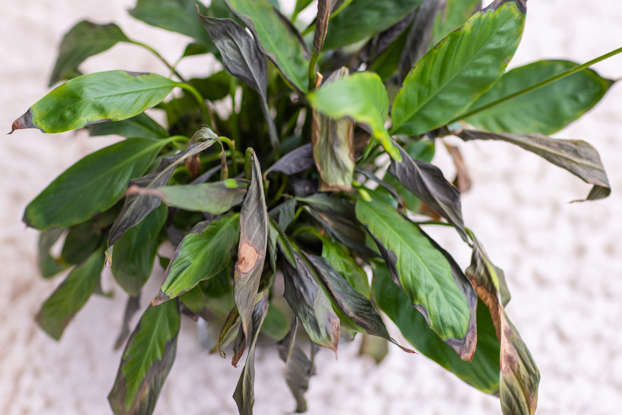
Winter doesn’t have to be the season where your houseplants slowly decline. Most winter plant problems come down to a few predictable causes: lower light, slower growth, drier air, and watering habits that don’t adjust to the season.
If you’ve got plants looking droopy, crispy, or just “off,” use this Winter Plant Rescue Checklist as your reset. Save it, print it, screenshot it, whatever. The goal is simple: get your plants stable now so they’re ready to take off again when spring light returns.
Winter Plant Rescue Checklist (Save This!)
Step 1: Watering (the #1 winter reset)
If you do nothing else, fix watering first. In winter, most plants use less water because they’re getting less light and growing more slowly. That means the same routine that worked in summer can easily become too much.
Start here: the finger test
-
Only water when the top 1–2 inches of soil feels dry.
-
Stick your finger in the pot. If it still feels damp below the surface, wait.
Use the “lift the pot” trick
This is the fastest way to stop overwatering.
-
Lift the pot after you water it once and notice how heavy it feels.
-
Over the next few days, lift it again.
-
Light = water
-
Heavy = wait
-
Winter rule of thumb
-
Low light = less water
Even if your plant “likes moist soil,” winter is not the same as summer. It’s better to water a little less often than to keep roots sitting in constant moisture.
A quick note on watering style
When it’s time to water, do it thoroughly:
-
Water until it runs out the bottom, then empty the saucer.
-
Don’t let the pot sit in water. That’s when root issues start.
Common winter watering mistakes
-
Watering “on schedule” instead of checking the soil.
-
Giving small sips too often (this keeps the top damp and can invite fungus gnats).
-
Forgetting that decorative cachepots can hold water at the bottom.
If you’re unsure whether to water, waiting a day is usually the safer choice in winter.
Step 2: Light (most homes are dimmer than we think)
This is the other big winter culprit. Our homes feel bright to us, but plants need a lot more light than we do to grow steadily.
Move plants closer to your brightest window
Even moving a plant 1–2 feet closer can make a noticeable difference. In winter, that distance matters.
Try this:
-
Put your light-loving plants right up near your brightest window.
-
If you have plants spread around the house, “consolidate” them for the season so more of them get better light.
Rotate weekly
Plants lean toward light. Rotation keeps growth balanced.
-
Give the pot a quarter turn about once a week.
If you use grow lights, prioritize your “dramatic” plants
You don’t have to put every plant under a grow light. Start with the ones that complain the loudest in winter:
-
Fiddle leaf figs
-
Many tropicals (monstera, philodendrons)
-
Succulents that stretch or fade
-
Anything that drops leaves when light drops
A grow light is often the difference between “surviving winter” and staying genuinely healthy.
One important winter tip
If your plant is pressed against cold window glass at night, it can get chilled. That can lead to leaf drop or spotting. During really cold snaps, pull sensitive plants back a few inches at night, then move them forward again in the morning.
Step 3: Dry air and crispy tips
Winter air inside most homes is dry. Heating systems make it worse. The result: crispy edges, curled leaves, and plants that look tired even when watering is correct.
Simple fixes that actually help
You don’t need a complicated setup. Choose one or two of these and stick with it.
Group plants together
Plants release moisture through their leaves. Grouping them creates a small humidity pocket. It’s subtle, but it helps.
Try a pebble tray
-
Use a shallow tray
-
Add pebbles
-
Add water so it sits below the tops of the pebbles
-
Set the plant on top
As the water evaporates, it increases humidity around the plant. The key is that the pot should not sit directly in water.
Use a small humidifier
If you have a few tropical plants you care about, a small humidifier can make a big difference and feels less fussy than constant misting.
Avoid heat vents and drafts
This is the sneaky one.
-
Keep plants away from heating vents
-
Don’t put them near drafty doors
-
Watch for cold air leaks near windows
A plant can be in “great light,” but if it’s getting blasted by hot dry air or cold drafts, it will still look rough.
What not to rely on
Misting sounds nice, but it usually doesn’t change humidity enough to matter unless you’re doing it constantly. If you enjoy misting, fine—but consider it a small bonus, not a fix.
Step 4: Pests (gnats, mites, and other winter surprises)
Winter can bring pests indoors because plants are stressed, air is dry, and we’re watering in ways that sometimes invite problems.
The good news: most pest problems are manageable if you catch them early.
Add yellow sticky traps
Sticky traps are great for two reasons:
-
They catch adult fungus gnats
-
They tell you if you have a problem before it gets big
If you’re dealing with fungus gnats, the main fix is still watering changes. Gnats love consistently damp soil.
Do a 30-second weekly check
Once a week, do a quick scan. It takes less time than dealing with an outbreak later.
-
Look under leaves
-
Check stems and nodes
-
Look for webbing, tiny specks, or sticky residue
If you spot pests: rinse and isolate
Don’t panic. Do this first:
-
Rinse leaves (a gentle shower or wipe-down)
-
Isolate the plant from the rest
Isolation is huge. One plant can spread pests to a whole group fast.
What to watch for
-
Fungus gnats: tiny flying bugs around soil, especially after watering
-
Spider mites: fine webbing, speckled leaves, worse in dry air
-
Mealybugs: white cottony clusters near stems/leaves
If you’re unsure what you’re seeing, bring a photo into Burnett’s and we can help you identify it quickly.
Step 5: Leaf drop (a quick reality check)
Leaf drop is one of the most common winter complaints—and it’s usually not “random.” It’s typically a response to a change in conditions.
Most common causes
-
Lower light
-
Overwatering or inconsistent watering
-
Drafts (hot or cold)
-
Sudden temperature drops near windows at night
Don’t overcorrect
This is important. Leaf drop tends to make people swing hard in the other direction (water a lot, move the plant constantly, fertilize, repot, etc.). In winter, big changes can stress plants more.
Instead:
-
Make one small adjustment at a time
-
Give it a week or two to respond
-
Keep conditions steady
Avoid cold glass at night
If your plant is touching cold window glass, it can trigger leaf drop. A few inches of distance can make a difference, especially on the coldest nights.
Quick “Save This” Summary
If your houseplants struggle in winter, run this checklist in order:
-
Water less often: only when the top 1–2 inches are dry
-
Boost light: move closer to windows, rotate weekly
-
Increase humidity: group plants, pebble tray, or humidifier
-
Check for pests weekly: sticky traps + quick leaf/stem scan
-
Leaf drop: usually light + water + drafts—small tweaks win
When to ask for help (and what to bring)
If your plant still looks unhappy after you adjust watering and light, it’s worth getting a second set of eyes. The fastest way to troubleshoot is to bring:
-
A photo of the full plant
-
A close-up of the problem leaves
-
A quick note: how often you water and where it sits in your home
At Burnett’s, we can usually spot what’s going on quickly and recommend a simple fix—without turning it into a big project.
Final thought: winter is a “steady wins” season
Your plants don’t need perfection in winter. They need stability. If you keep watering in check, improve light even a little, and watch for drafts and pests, most houseplants will make it through winter just fine—and be ready to grow hard when the days start getting longer.