
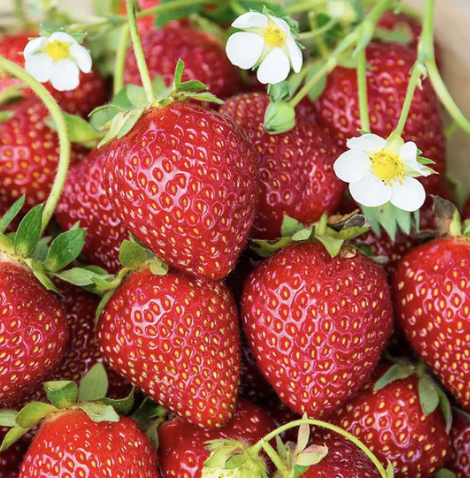
Growing your own strawberry patch is one of the most rewarding ways to enjoy fresh, flavorful fruit right from your backyard. With a little planning and care, strawberries are relatively easy to grow—and they’ll come back year after year with even better harvests.
Choosing the Right Strawberries
When starting your patch, it’s important to understand the different types of strawberry plants. One common type is everbearing strawberries. Despite the name, “everbearing” doesn’t mean they produce fruit continuously all season. Instead, they typically produce two main harvests—one in early summer and another later in the season.
First-Year Care: Setting Up for Success
Your first season is all about building strong, healthy plants.
If you’re growing everbearing strawberries, it’s recommended to pinch off the first flush of flowers. While this might feel counterintuitive, it helps the plant direct energy into root and leaf development instead of early fruit. As a result, you may still get some fruit during the second bloom, but the real payoff comes in the following year.
Also, many strawberry varieties naturally produce runners (long stems that create new plants). During the first season, you should limit these runners to just 2–3 per plant. Removing the extras allows your main plant to focus on consistent, hearty growth rather than spreading itself too thin.
Planting Your Strawberry Patch
Strawberries are quite hardy and can be planted early in the season, even tolerating light frost. When planting:
- Space plants 18–24 inches apart
- If planting in rows, keep about 3 feet between rows
Strawberry plants should generally be spaced 12 to 18 inches apart. June-bearing types require wider spacing (18-24 inches) to allow room for runners, while day-neutral and everbearing varieties can be planted closer (10-12 inches) because they produce fewer runners. Rows should be spaced 2 to 4 feet apart.
This spacing isn’t just for convenience—it’s essential. Good airflow between plants helps reduce the risk of disease, which strawberries can be prone to in crowded or damp conditions.
Ongoing Care and Maintenance
Keeping your strawberry patch healthy requires a bit of regular attention:
- Mulch lightly with hay to retain moisture, suppress weeds, and keep fruit clean
- Remove damaged leaves, flowers, and fruit regularly to prevent disease from spreading
- Maintain good airflow by avoiding overcrowding
These simple habits go a long way toward ensuring a productive and disease-resistant patch.
Cut and pasted…
Key Steps for Winterizing Strawberries:
- Pruning: Remove dead, diseased, or damaged leaves, but leave the crown intact.
- Cut Runners: Cut any remaining runners (stolons) to ensure the mother plant doesn’t waste energy.
- Mulching (In-Ground): Apply 4–6 inches of straw, pine needles, or weed-free hay once temperatures consistently stay below freezing (late fall/early winter).
- Protecting Containers: Potted strawberries are vulnerable. Move them to an unheated garage, shed, or bury the pots in the ground for winter.
Looking Ahead: Year Two and Beyond
Patience pays off with strawberries. While the first year focuses on establishing plants, the second season brings a much more abundant harvest—especially if you’ve managed flowers and runners properly in year one.
Remove mulch early spring (by mid to late March)
Fertilize early spring as new growth begins to emerge
With the right care, your strawberry patch will become more productive each year, rewarding you with sweet, homegrown berries and the satisfaction of growing your own food.